-

Who Is The Parent
We bring our history to every moment of every day. We are our past, our present and our imagination about the future all rolled into each moment. We are often the enactment of our fears. An approach that promotes spontaneity releases parents and children from comparison and fixed ideas, promoting self-esteem, confidence and trust.
-

Who Is Your Child
In time we come to know some things about our children. Who they are is something only they can show us, and even then, they, like us, are a continually evolving project. It’s a difficult task to separate the needs of the child from parent’s expectations of them. Curiosity and enquiry are of paramount importance.
-

What Is Your Aim
Raising children is no easy task and although times can be fraught they can also be filled with light and priceless gems that create the happiest memories. Love, respect, patience and knowledge are solid foundations that can withstand the pull of heightened wrecking emotions. Unrealistic expectations and inner demons can alter facts and reality.
PURSUE A HAPPIER, CALMER HOME AND BETTER RELATIONSHIPS WITH GENTLE NURTURING
The lofty goal of parenting is to engender in your child a strong and secure feeling of being unconditionally lovable, respected and full of worth. This becomes the foundation for developing a balanced and robust sense of self that can be preserved against any surge of stress. To be human is to be emotional. Being able to keep emotional balance in the face of daily struggles requires internal strength which draws from the knowledge that one’s life is meaningful, that one has purpose, that one is cherished.
Parenting is also about giving children tools to recognise what’s important to them, to be able to negotiate and calm their emotions at times of flux, whilst fostering and maintaining a true sense of worth in a social and internal world which is ever-changing.
These tools depend on a consistently accurate reflection of emotional states.
REFLECTIONS are the foundation
Reflection of our physical state comes from mirrors. Reflection of our emotional state comes from others, especially parents. This is the prime cog in the smooth wheel that turns in our minds when we are learning who we are and how we feel - and inconsistencies in these reflections go on to cause distortions both in our relationships with others, and so importantly, in our attitude toward ourself.
communication is key in relationships
Communication comes in many forms. It can be through words or action. It can be serious, in play or even jest. It can be with noise or in silence. Sometimes it can harness sounds other than the human voice to send it’s message, for example, a gong; but at all times the foundation for communication is emotion. Communication, under calm circumstances, requires imagination, as we have to be able to envisage an outcome to what we are trying to get across to someone else. The need to convey information is purposeful and has meaning. All too often, meanings get distorted by our imagination. The greater the negative emotion imbued in the communication, the more likely it is that the meaning may be overlooked and replaced by one that is unintended. Most parents sincerely and deeply love and care for their children’s well being, yet messages can get tangled and twisted and cause all sorts of havoc. A happy moment can turn sour, gloomy and hopeless in an instant.
Communicating with children requires, above all, showing that you understand the emotion behind the message.
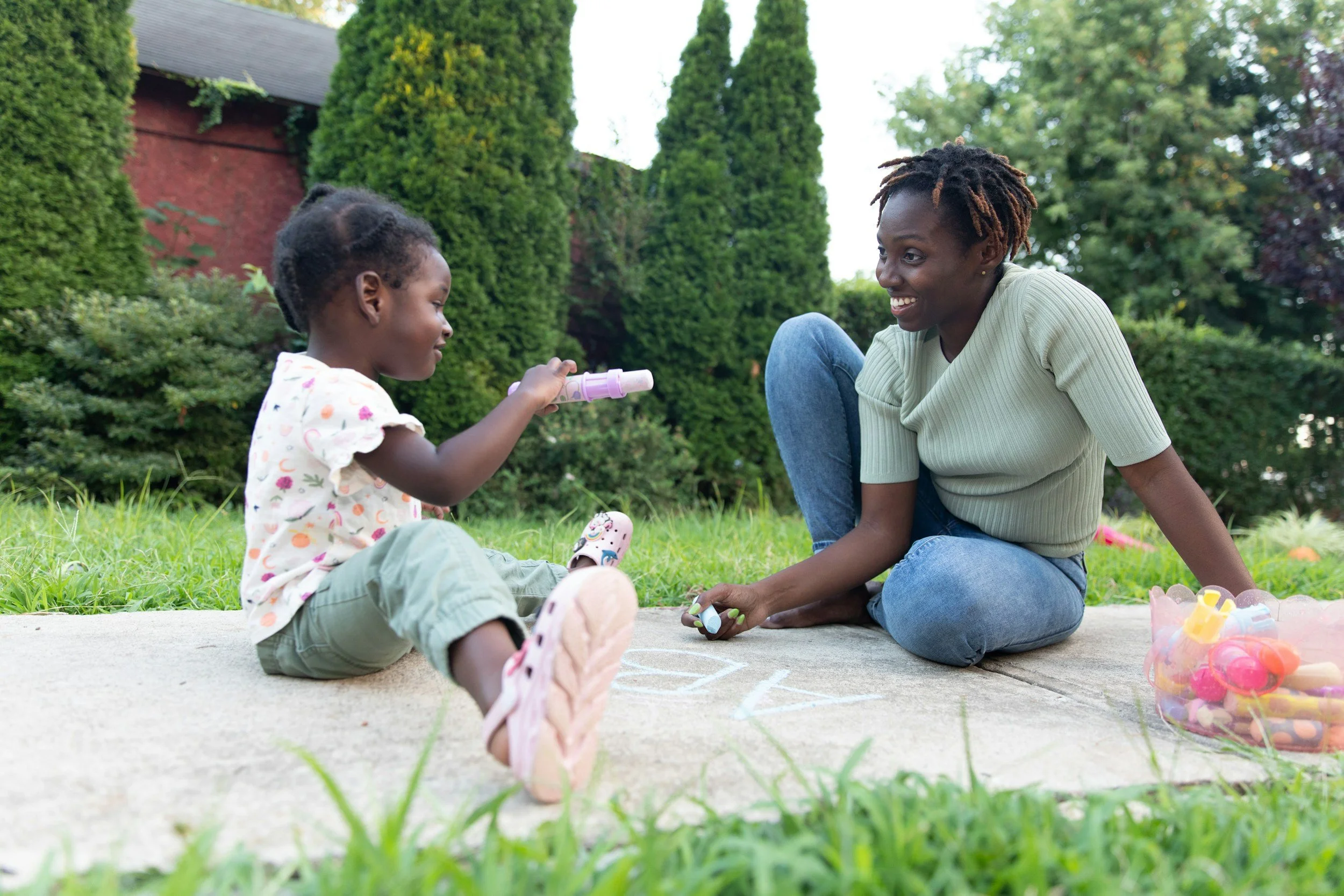
RESPECT
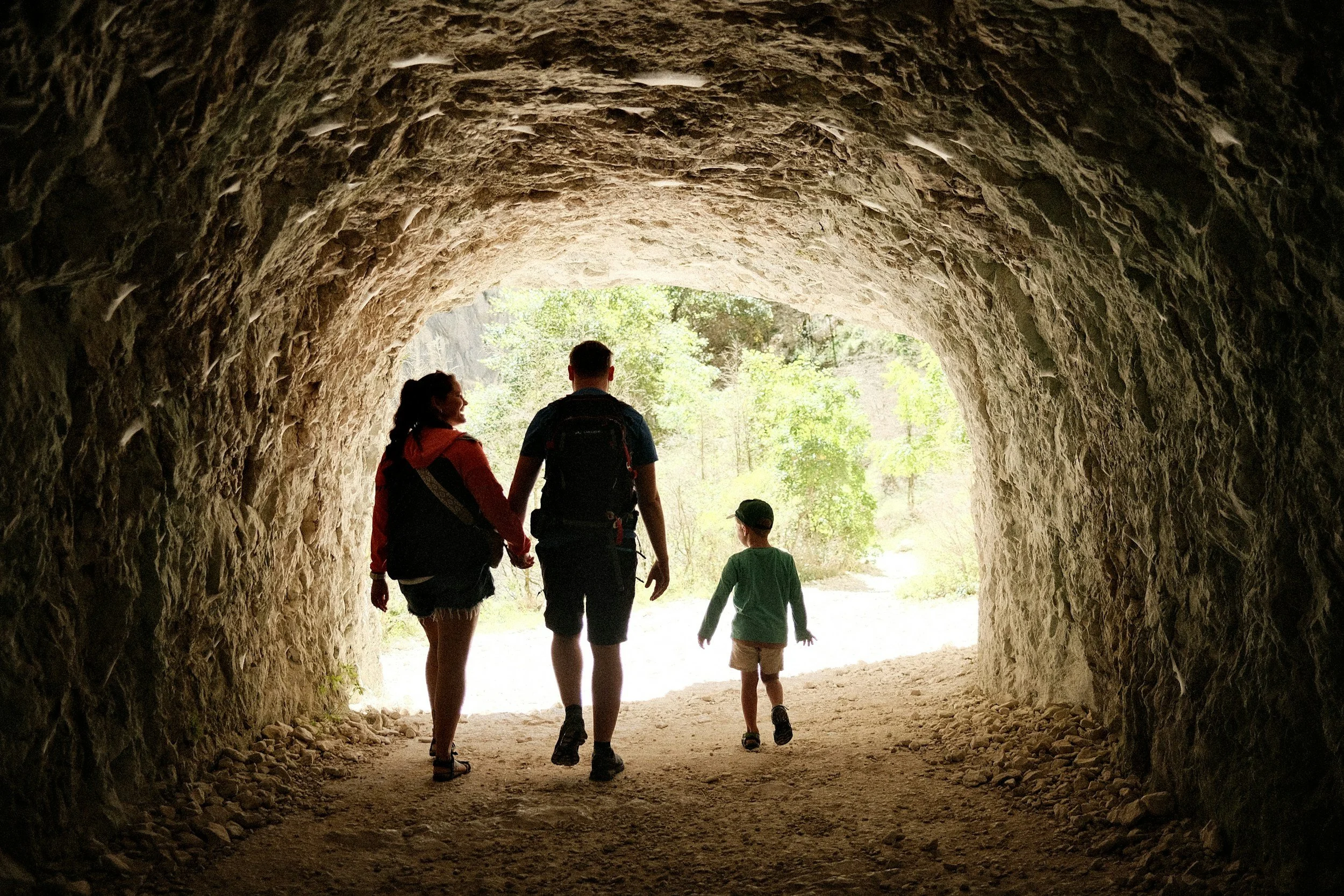
DISCOVERY
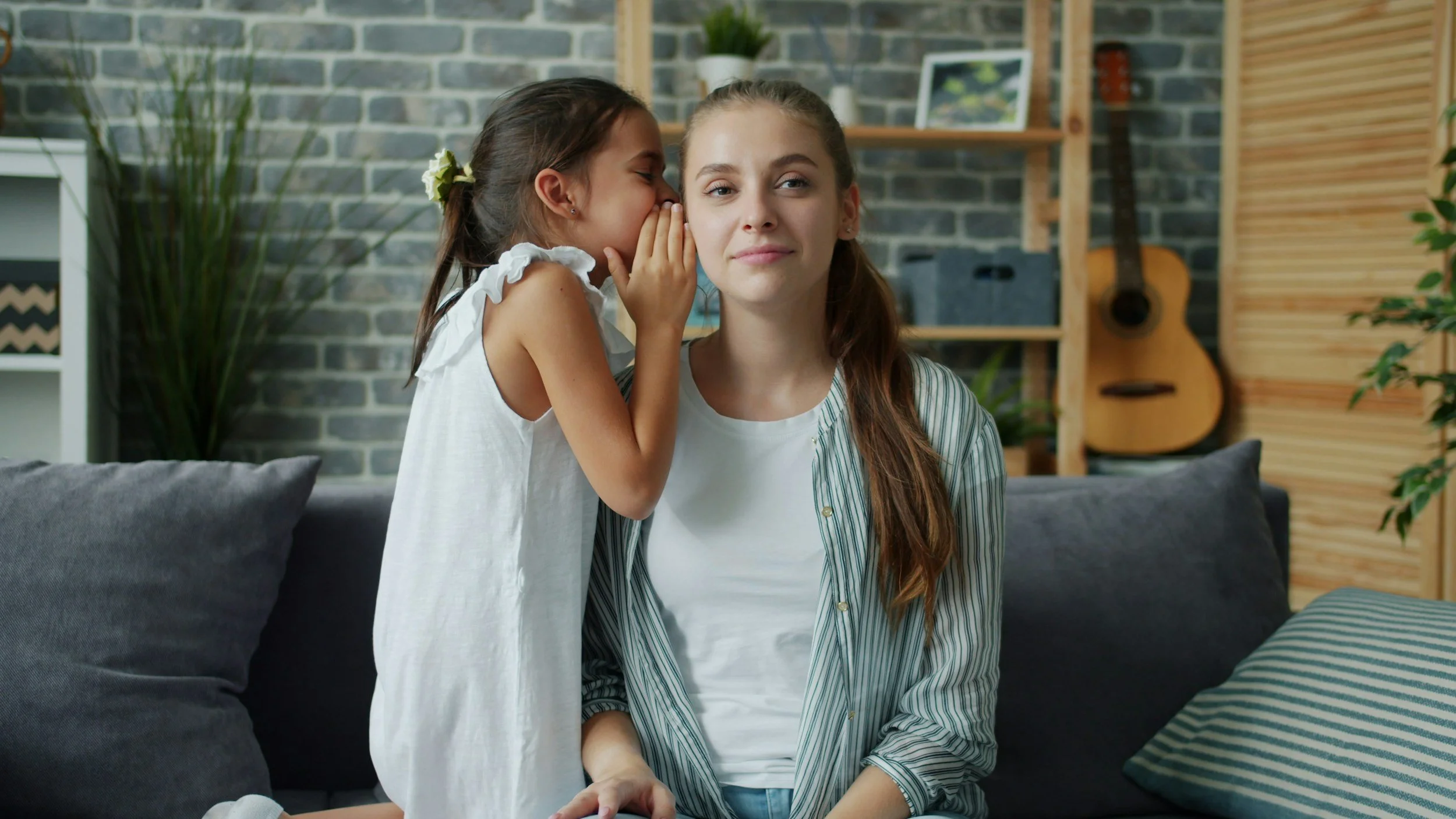
MEANING